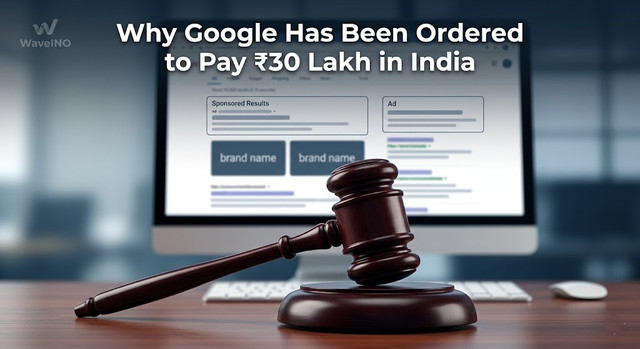
The global business model of search engine advertising faces a major structural challenge in India following an aggressive judicial intervention.
However, the Delhi High Court has dismantled this assumption.
The Genesis: A Decadelong Battle Over Ad Redirection
The final decree concludes a complex legal battle initiated nearly twelve years ago by bathware pioneer Hindware against competing sanitaryware manufacturers and Google entities.
+-------------------------------------------------------------+
|                THE MECHANICS OF THE INFRACTION               |
+-------------------------------------------------------------+
| [User Search Input] --> Types "Hindware" seeking brand      |
| [Google Ad Auction] --> Processes rival bids on the keyword  |
| [Diverted Outcome]  --> Displays competitor links at top    |
+-------------------------------------------------------------+
Consequently, whenever everyday consumers explicitly searched for Hindware products online, Google’s auction system prioritized sponsored links for these competing businesses right at the top of the search result pages.
The Defense: "Invisible" Triggers and Passive Safe-Harbors
During the extensive court proceedings, Google mounted a multi-layered defense centered around the mechanics of digital marketing:
The Invisibility Argument: Google argued that because backend keywords function purely as invisible code triggers that are never actively perceived or seen by the end consumer on screen, they do not constitute commercial "use" under Section 29 of the Trade Marks Act, 1999.
The Neutrality Stance: The tech giant asserted that it merely acts as a passive real estate provider. Independent third-party advertisers select which words to bid on, meaning any prospective infringement is solely the responsibility of the brand placing the ad.
The Intermediary Shield: Google formally invoked Section 79 of the Information Technology Act, 2000, claiming complete safe-harbor immunity as a technical intermediary performing neutral routing tasks.
The Judgment: Why Google Forfeited Its Shield
Justice Mini Pushkarna explicitly dismissed Google’s arguments, issuing a permanent injunction alongside the ₹30 lakh punitive damage penalty.
Crucially, the High Court stripped Google of its safe-harbor protection under Section 79.
The Court's Core Finding: "Google does not own any proprietary rights in the mark 'Hindware' nor does it have any license to sell access to its commercial pulling power to rivals.
By listing the trademark as a keyword and auctioning it to competitors for profit without the proprietor's consent, Google uses the registered trademark as its own commercial inventory."
What This Precedent Means for Advertisers in India
While the monetary fine of ₹30 lakh is nominal for a global tech conglomerate, the legal reasoning establishes a critical precedent.
Industry experts notes that this ruling introduces a brand new playbook for local startups and corporations who have spent years paying inflated advertising premiums just to bid on their own brand names to prevent rivals from displacing them on search pages. Moving forward, bidding on a direct competitor's coined, distinctive trademark for identical goods is an incredibly high-risk legal strategy in India.