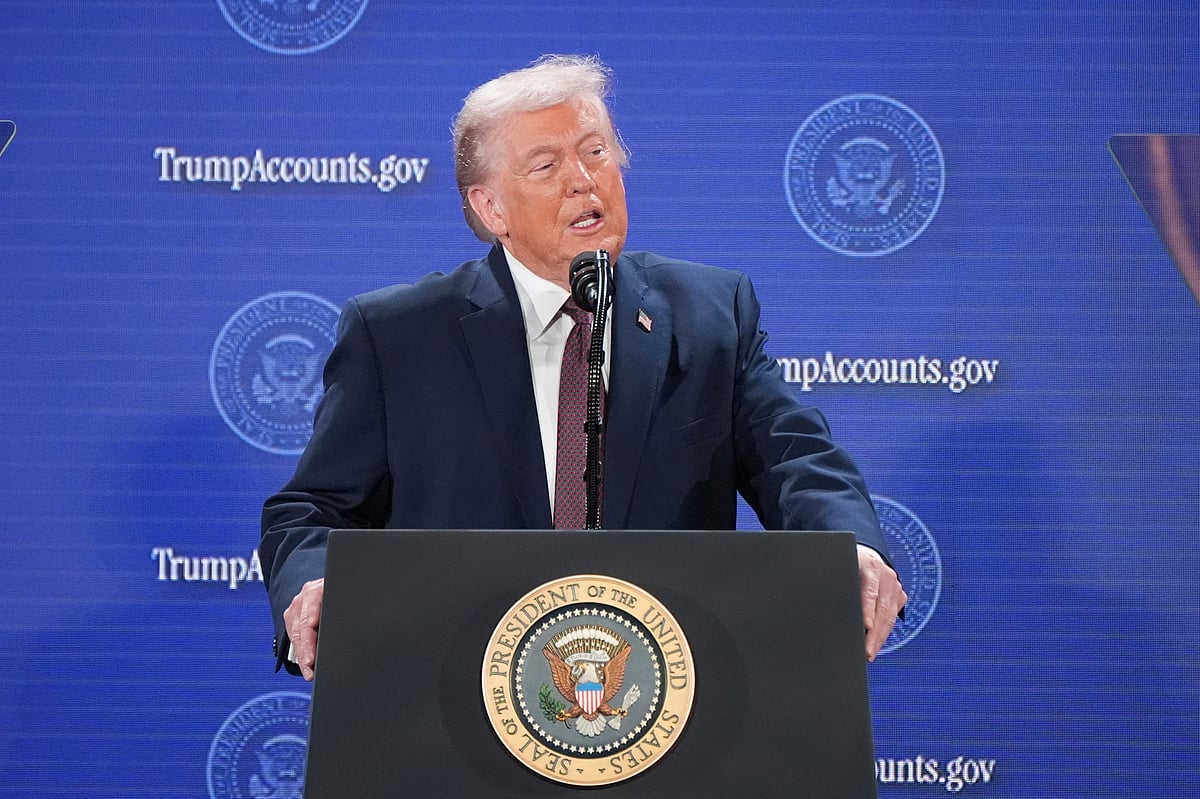
As Iran and the United States continue to grapple with increasing tensions over Iran's nuclear program, former President Donald Trump has issued a stern warning to the Iranian leadership. Speaking at a rally in Phoenix, Arizona, Trump emphasized that 'time is running out' for Iran to negotiate a new nuclear deal with the United States.
Trump's comments come in the wake of stalled negotiations regarding Iran's nuclear capabilities, which have raised concerns not only among Western nations but also among regional powers. The former president, who withdrew the US from the Iran nuclear deal in 2018, pointed to Iran's continued missile testing and uranium enrichment as alarming signs that their ambitions extend beyond peaceful nuclear energy.
“We can’t let Iran become a nuclear power. They must understand that the clock is ticking,” Trump stated, urging the current administration to take a harder stance against Iran's nuclear advancements. He highlighted the need for a robust and enforceable agreement that prevents Iran from developing nuclear weapons while also addressing other contentious issues such as sponsorship of terrorism and human rights abuses.
The backdrop to Trump's comments includes a heightened military presence in the Gulf region, where the US has bolstered its naval fleet amid reports of Iran's ongoing aggression and recent drone strikes. Many analysts believe that the US could be inching closer to a potential military confrontation if diplomatic efforts fail. The State Department has confirmed that diplomatic channels remain open but has not indicated any new developments in talks.
Meanwhile, Iran has consistently refused to negotiate under what they term 'pressure tactics', asserting that the US must first lift economic sanctions that have devastated its economy. Iranian officials have publicly dismissed Trump's ultimatum, arguing that their nuclear program is purely for peaceful purposes. However, Western intelligence agencies continue to express concerns about Iran’s possible militarization of its nuclear capabilities.
The situation has created a dichotomy, as some political leaders within the United States are advocating for a combination of diplomatic finesse and strategic military readiness. Current President Joe Biden has hinted at the possibility of revisiting negotiations originally set forth in the JCPOA (Joint Comprehensive Plan of Action), but internal divisions in Washington complicate this prospect.
Reactions to Trump's remarks have been mixed among lawmakers. Some Republican members have aligned with Trump’s aggressive rhetoric, calling for a 'no tolerance' policy towards Iran, while some Democrats have called for restraint and patience in order to avoid historical blunders that preceded military conflicts.
Internationally, the situation has triggered concerns among allied nations who fear that failure to reach a consensus with Iran could lead to a regional arms race. Nations like Israel and Saudi Arabia have openly expressed their apprehensions regarding Iran's nuclear ambitions, describing it as a direct threat to their national security.
As global powers watch closely, the coming weeks could prove crucial for the future of relations between Iran and the US. Negotiators are expected to travel back to Vienna by the end of the month, but with Trump’s warning echoing through both the political and public spheres, the pressure is mounting on Tehran to make concessions to avoid an escalation that could define international relations for years to come.
As the world waits with bated breath, the delicate balance of diplomacy and strategy remains a focal point in the discourse surrounding Iran's nuclear program. In light of Trump’s remarks and escalating tensions, analysts urge all parties involved to tread carefully in what could be a pivotal moment in Middle Eastern geopolitics.