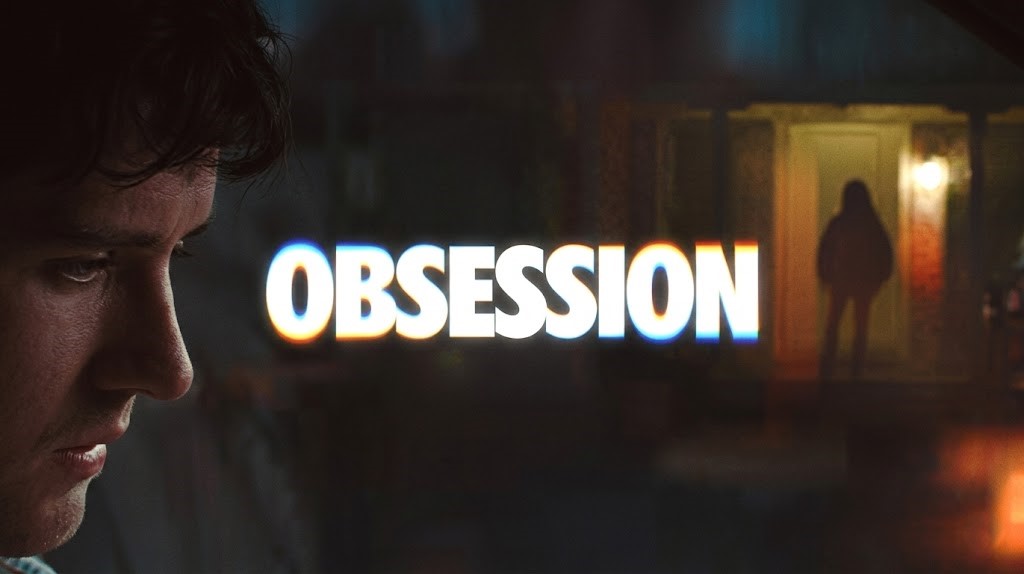
The theatrical landscape in 2026 has been defined by massive spectacles. High-octane action sequels and grand cinematic universes have consistently demanded astronomical production budgets to guarantee ticket sales. Yet, the most fascinating cinematic triumph of the season does not feature a multi-starrer cast or state-of-the-art visual effects. Instead, a tiny low budget horror movie titled Obsession has completely disrupted Indian theaters, leaving trade analysts stunned by its unprecedented commercial momentum.
Written, directed, and edited by 26-year-old filmmaker Curry Barker, this independent psychological horror thriller was mounted on a shoestring budget of just 7 crore INR ($750,000). Despite its minimal financial backing, the film has captured the cultural zeitgeist globally and across major Indian metropolitan centers. While massive commercial entities rely on pure scale to draw crowds, this production relies entirely on a disturbing, tension-fueled premise that transforms a standard romantic trope into a psychological nightmare.
The narrative follows Bear Bailey, played with convincing emotional conflict by Michael Johnston, an awkward young man hopelessly in love with his coworker Nikki Freeman, portrayed by Inde Navarrette. In a moment of desperation, Bear uses a supernatural trinket called the One Wish Willow to make a singular wish: that Nikki would love him more than anyone else in the world. The wish manifests instantly, but the narrative quickly descends into madness as Nikki's affection warps into an unhinged, violent fixation.
The Censor Board Controversy Sparking Online Fervor
The journey of Obsession through the Indian exhibition sector has not been without significant institutional hurdles. Upon review, the Central Board of Film Certification granted the film a strict CBFC certificate with an Adults Only (A) classification. However, the regulatory body did not stop at age restriction. The board ordered the excision of 38 seconds of crucial footage, including 24 seconds of extreme violence and 14 seconds of graphic intimacy, alongside the mandatory imposition of anti-smoking and anti-liquor health warnings.
This heavy-handed intervention sparked immediate outrage across Indian social media platforms. Film enthusiasts questioned the logic of trimming material from a project already legally restricted to adult audiences. Paradoxically, the online controversy only heightened public curiosity. Audiences began flocking to jam-packed multiplexes from Mumbai to Kochi, eager to witness the unsettling psychological atmosphere that the internet could not stop discussing.
Redefining Box Office Success Through Pure ROI
When evaluating the financial dynamics of the modern film industry, raw gross figures often overshadow the actual metrics of profitability. High-profile releases in India have certainly generated massive global collections, but their exorbitant production and marketing costs leave tight margins for actual return on investment. This low budget horror movie exposes the vulnerability of that high-risk model by demonstrating what can be achieved through a highly targeted, efficient psychological approach to storytelling.
+--------------------------------------+-----------------------+
| Metric                               | Financial Record      |
+--------------------------------------+-----------------------+
| Production Budget                    | 7 Crore INR           |
| Global Box Office Collections        | Over 750 Crore INR    |
| Estimated Return on Investment (ROI) | Over 100x Production  |
| Filming Schedule Duration            | Approximately 20 Days |
+--------------------------------------+-----------------------+
By generating more than 750 crore INR ($80 million) globally, Obsession has delivered a return exceeding 100 times its original budget. It stands as the most profitable cinematic venture of the year on a percentage basis, proving that subgenre experimentation and atmospheric dread resonate deeply with modern viewers.
A Masterclass in Atmospheric Tension
What makes Obsession remarkably effective is its complete rejection of typical studio horror conventions. Rather than relying on a continuous barrage of cheap, loud jump scares, Barker utilizes structural pacing to build intense emotional discomfort. The film lingers in normal, seemingly domestic settings before suddenly shifting into deeply unsettling territory.
Inde Navarrette delivers an awards-worthy performance, masterfully shifting from vulnerable warmth to terrifying unpredictability with alarming ease. Whether she is displaying alarming emotional instability or engaging in macabre behavior, her performance keeps the audience locked in a state of constant anxiety. The director’s roots as a digital content creator on YouTube are evident in the film's lean, focused execution, showing a command over tension that completely transcends the project's financial constraints.
The unprecedented run of Obsession in Indian theaters serves as a critical case study for the domestic entertainment industry. It proves that audiences are growing tired of formulaic events engineered solely around star power and visual grandeur. Sometimes, the most powerful tool in cinema is a singular, uncompromising idea executed with absolute precision.